CriSoLL Thematic
Music and pop culture
Representation of Latinx in US Media/Pop Culture By Ryan Bessett

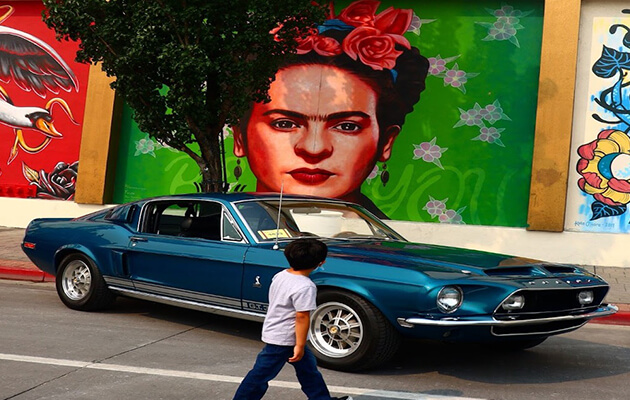
This unit provides activities for students to identify and describe the attitudes and ideologies in the way Latinxs are portrayed in US popular culture. Students will also explain what representation means to them and whether they feel represented by the portrayal of Latinx in US popular culture. This unit is also part of the Teach in Spanglish project https://www.teachinspanglish.org/
JLo and Urban Sensuality: Intersectional Identities.
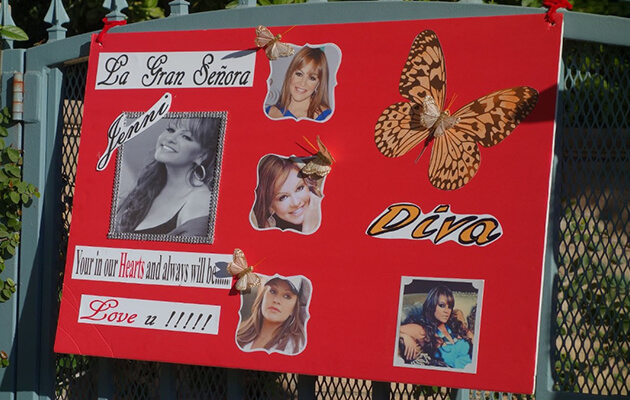
In this unit, we will identify language uses that signal intersections of socially constructed ideas of race, class, gender, sexuality, indigeneity, and ability within the context of US culture(s). For example, we will discuss some of the intersectional identities that Jenni Rivera, the singer, had to reconcile and balance as a transnational Latina woman. This unit is also part of the Teach in Spanglish project https://www.teachinspanglish.org/
Cumbia Through the Years - Grades 3-5
In this unit, we will reflect on the concept of Latinidad through the case of the singer Selena, who propelled Latinidad—the process of creating a Latino/o identity—in new directions in the United States. This unit is also part of the Teach in Spanglish project https://www.teachinspanglish.org/
Selena: Latinidad in New Directions By Claudia Holguín Mendoza

Migration, geography, history
Van Nuys (Es Very Nice): Change over time in Latinx Los Angeles
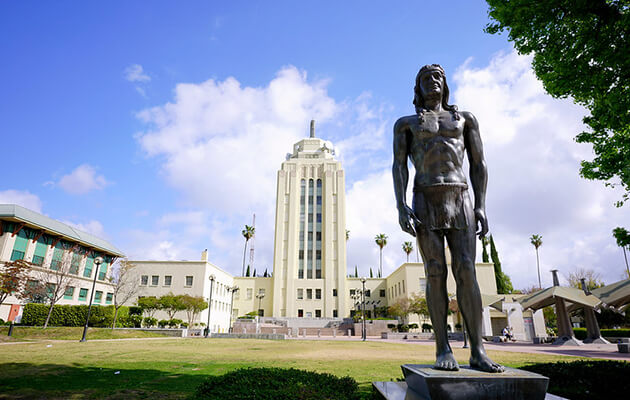
Historic Demographic and Sociolinguistic Change in Southern California By Jorge Leal and Claudia Holguín Mendoza

International Immigration and Migration Theories. By Luz María Ede Hernández

This unit focuses on studying the social and historical contexts of human migration and fostering critical awareness of current international migration phenomena. This unit contextualizes migration as a marginalized ideological concept in both political and popular discourse. By studying these discourses, the racialization of migrants, and the laws surrounding migration through various theories, students can develop a greater sociocultural and linguistic critical awareness of one of the most pressing global crises affecting humanity today.
Reflexivity, identity, and language defense
Spanish Speakers in the US
Spanglish in the classroom: Translanguating By Claudia Holguín Mendoza

This unit reflects on how bilingual education and the teaching of Spanish in the United States have taken different forms and have been viewed from different ideological perspectives. We will also discuss some of the most common misconceptions about language and bilingualism. This unit is best understood after the previous unit, “Spanish Speakers in the US.” This unit is also part of the Teach in Spanglish project: https://www.teachinspanglish.org/
Teaching Spanglish Spotlights By Sofia Rivas

Our aim with these spotlights is to expose teachers and students to a wide range of Chicanx, Latinx and minoritytized folks/representations who have been doing the active work of uplifting minoritytized and stigmatized languages and language varieties across the world. We hope that this representation along with the designed lessons will inspire, value, and empower Chicanx, Latinx and minoritytized teachers and students at every grade level. While these spotlights are located within our K-18 project lessons, designed with intention per age group, we encourage you to explore all of our spotlights to taylor fit what works best for you and your classroom. This unit is also part of the Teach in Spanglish project https://www.teachinspanglish.org/
Selena: Latinidad in New Directions By Claudia Holguín Mendoza
In this unit, we will reflect on the concept of Latinidad through the case of the singer Selena, who propelled Latinidad—the process of creating a Latino/o identity—in new directions in the United States. This unit is also part of the Teach in Spanglish project https://www.teachinspanglish.org/
The Decolonized Lexicon By Cristina Sánchez
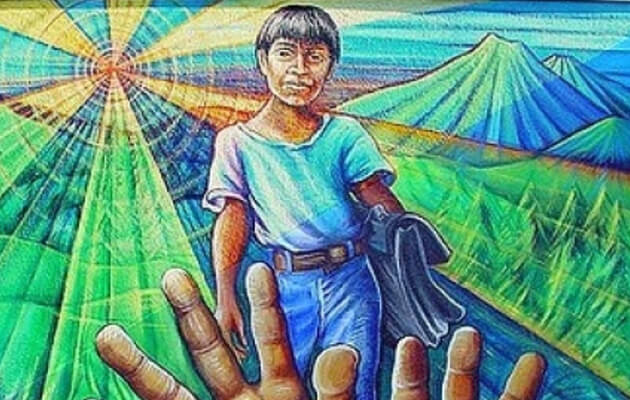
Mother Tongue... Is there only one? By Lara Boyero Agudo

The theme that runs through all the activities in my teaching unit is the concept of “standard language” and the “varieties of Spanish.” The choice of theme stems from my experiences over the last two years; thus, the activities focus on multiculturalism so that the students can question and challenge the dominant culture—the one that, over the years, has determined which books to use, which approach to employ, and which values and knowledge to transmit, all under the same Eurocentric and prescriptive vision. The revolution begins in the classroom.
Rethinking (my) Language By Elena Cardona Ramírez

Historical events in Latin America
The Dirty War in Argentina By Melissa Venegas
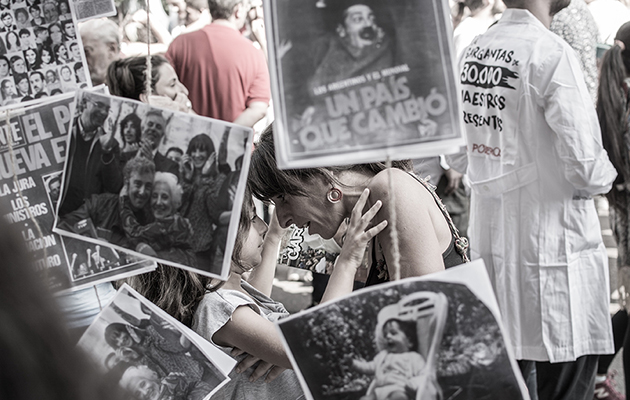
Critical Pedagogies give students a political awareness that fosters an active participation in society. I kept this in mind when designing my unit on the Dirty War in Argentina. I wanted to go beyond “language” and “culture” and create active lessons that engage students’ reflective skills. As a greater theme, I wanted to introduce human rights issues so that they would think more critically about injustices and how to react to them.
Language and Technology
Language and Technology By Miguel Muñoz Valtierra

This activity explores concepts in sociolinguistics and the use of technology. It can be updated and changed according to the new trends and technology that arises. This unit is also part of the Teach in Spanglish project https://www.teachinspanglish.org/